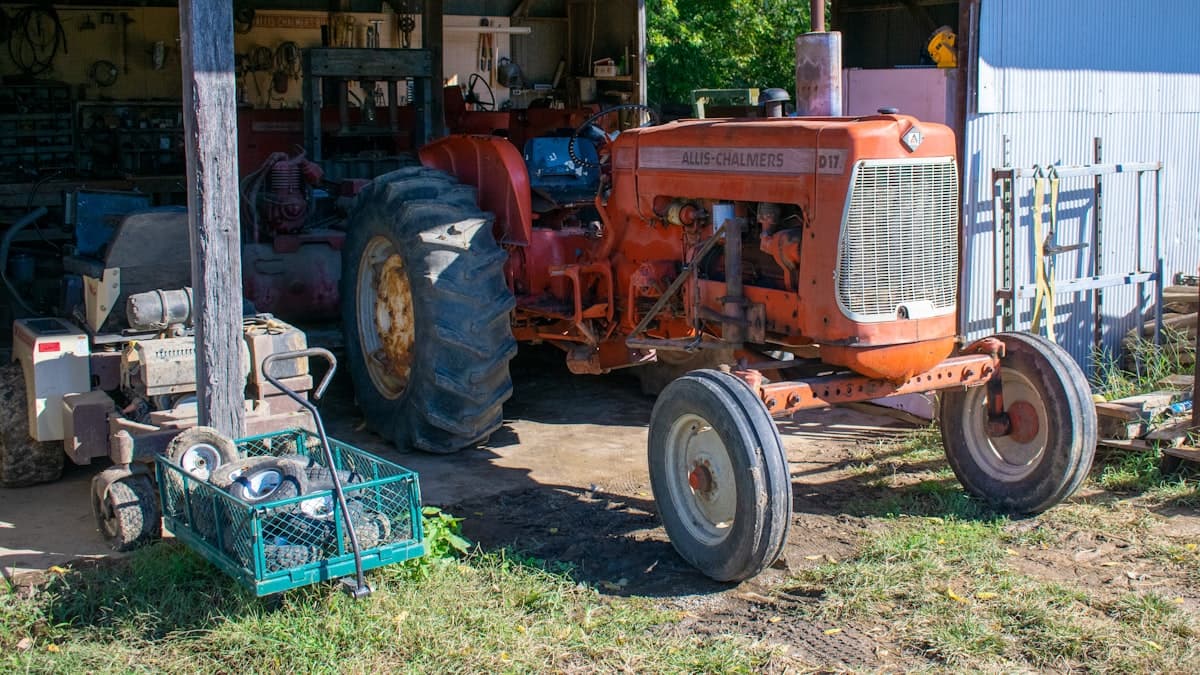
Iran conflict and blocked oil shipping routes push diesel prices higher just as Canadian farmers prepare for peak fuel demand during spring seeding.
Iran conflict pushes diesel costs higher for Canadian farmers
Conflict in Iran and disruptions to global oil shipping routes are driving diesel prices sharply higher just as Canadian farmers gear up for spring seeding season. The timing couldn't be worse - this is when fuel demand typically peaks on farms across the country as producers fire up tractors, combines, and other equipment for field work.
The Strait of Hormuz, a critical chokepoint for global oil shipments, has become a flashpoint that's creating uncertainty in world energy markets. About 20% of global oil passes through this narrow waterway, and any disruption sends ripples through fuel markets worldwide, including diesel supplies that Canadian agriculture depends on.
For Canadian farmers already dealing with tight margins, higher diesel costs add another layer of financial pressure. Spring operations like seeding, spraying, and field preparation are fuel-intensive, and many producers are now facing the prospect of significantly higher operating costs than they budgeted for this season.
What this means for your operation
If you haven't locked in your fuel purchases yet, you're likely looking at paying more per litre than you did last year. The uncertainty around how long this conflict will last makes fuel budgeting even more challenging. Producers who typically wait until the last minute to buy fuel may want to reconsider that strategy.
This situation highlights why some farmers are accelerating their shift toward more fuel-efficient equipment or exploring alternative fuel sources where practical. While these aren't overnight solutions, the current price spike serves as a reminder of how vulnerable agriculture is to global energy market disruptions.
The impact will vary across different farming operations. Grain producers with large acreages requiring extensive field work will feel the pinch more than livestock operations with lower fuel needs. Similarly, farms in Western Canada with longer hauls to grain elevators may see bigger cost increases than those closer to delivery points.
Key numbers
• The Strait of Hormuz handles approximately 20% of global oil shipments daily
• Spring seeding season represents peak fuel demand for most Canadian grain farms
• Diesel price increases typically translate directly to higher per-acre operating costs
• Canadian farms consume millions of litres of diesel annually for field operations
• Fuel costs can represent 10-15% of total crop production expenses in normal years
What to watch next
Keep an eye on developments in the Middle East conflict and any further disruptions to oil shipping routes. Energy analysts are closely monitoring whether other major oil-producing regions might be affected. Most fuel suppliers update their pricing weekly, so you'll see these global market changes reflected at the pump relatively quickly. The situation remains fluid, and prices could continue climbing if the conflict escalates or spreads to other oil-producing areas.
FAQ
Q: Should Canadian farmers buy diesel now or wait for prices to drop?
A: Given the uncertainty around the conflict duration, locking in current prices may be safer than gambling on a quick resolution. Consider your cash flow and risk tolerance when making this decision.
Q: How much could diesel price increases add to per-acre costs this spring?
A: This depends on your operation's fuel intensity, but even a 20-cent per litre increase could add $5-15 per acre to operating costs for typical grain farms. Track your historical fuel usage to calculate your specific exposure.
Get HarvestWire daily
Canadian ag news before you hit the field.
More in Markets
View all → Markets
Alberta Cattle Hit Records While US Prices Drop - Canada Impact
Alberta cattle prices reach record territory as US cash cattle markets weaken. Plant disruptions and tight supplies shake North American beef markets.
 Markets
Diesel Prices Rise Ahead of Peak Canadian Spring Seeding
Rising diesel costs threaten Canadian farm margins as spring seeding approaches. What farmers need to know about fuel prices and planning strategies.
 Markets
New app ClearCost compares fertilizer prices for Canada
ClearCost app lets Canadian farmers compare fertilizer prices from multiple dealers in one place. Launched at Western Canadian Crop Production Show.