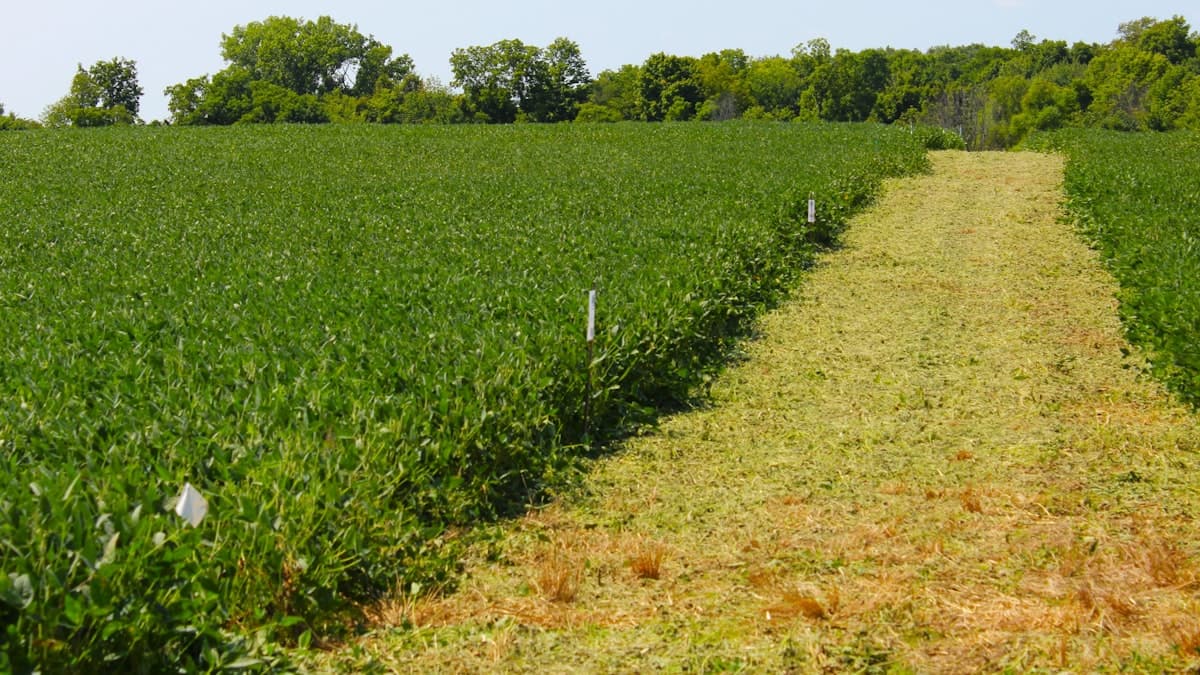
Canadian pulse growers face significant economic losses from aphanomyces root rot. Learn three key management strategies to protect your pea and lentil crops.
Aphanomyces root rot poses growing threat to Canadian pulse profits
Canadian pulse growers are facing increased pressure from aphanomyces root rot, a soil-borne disease that can devastate pea and lentil yields when conditions align. The disease thrives in wet, poorly drained soils and can persist in fields for years once established, making prevention crucial for maintaining profitable pulse rotations across the Prairies.
The economic impact varies significantly based on disease pressure and field conditions, but losses can be substantial when the pathogen takes hold. Kevin Auch, director and past chair of industry experts, recently outlined three key management strategies that Canadian farmers need to understand to protect their pulse economics in today's challenging market environment.
What this means for your operation
If you're growing peas or lentils in Canada, aphanomyces should be on your radar, especially if you've noticed poor stands or yellowing plants in wet areas of your fields. The disease attacks root systems, reducing nutrient uptake and water absorption, which translates directly to lower yields and quality issues that buyers will dock you for.
The most critical decision point comes before seeding. Fields with a history of the disease or poor drainage present higher risks, and switching to cereals or oilseeds may be the better economic choice in those situations. However, with pulse prices remaining attractive compared to other crops, proper management can still make these crops profitable even in moderate-risk scenarios.
Timing your crop rotation becomes especially important with aphanomyces present. Extending the rotation away from susceptible crops helps reduce soil pathogen levels, but this needs to be balanced against the nitrogen-fixing benefits and market opportunities that pulses provide in your rotation.
Key numbers
• Disease can persist in soil for 10+ years once established
• Yield losses range from 10-50% depending on severity and conditions
• Wet springs with soil temperatures between 15-20°C create ideal infection conditions
• Rotation intervals of 4-6 years help reduce pathogen pressure
• Fields with poor drainage show 3x higher disease incidence rates
What to watch next
Monitor your pulse fields closely during early growth stages this spring, particularly in low-lying areas that stay wet longer. Provincial extension services are expected to release updated disease pressure maps by late April, which will help guide seeding decisions for late-planted acres. Keep an eye on soil moisture forecasts, as extended wet periods during the critical early growth window significantly increase infection risks across all Canadian pulse-growing regions.
FAQ
Q: How can I tell if my field has aphanomyces root rot?
A: Look for yellowing plants in wet areas with brown, rotted roots that easily break off when pulled. The disease often appears in patches rather than evenly across the field.
Q: What crops can I plant instead of pulses in infected fields?
A: Cereals like wheat, barley, and oats are not affected by aphanomyces, making them safe rotation options. Canola and flax are also resistant and can help break the disease cycle.
Get HarvestWire daily
Canadian ag news before you hit the field.
More in Crops
View all → Crops
CropsPrairie Canola Planning: Target Stands & Flea Beetle Prep
Canadian canola growers can use delayed spring conditions to fine-tune seeding plans, target plant stands, and prepare flea beetle management strategies.
 Crops
CropsRichardson Rejoins Canola Council After 8-Year Break
Richardson International returns to Canola Council of Canada membership after 8 years. What this means for Canadian canola growers and industry.
 Crops
CropsEarly Weed Pressure Cuts Canadian Crop Yields Before Emergence
New research shows weeds affect Canadian crop yields before plants emerge. Learn how early weed control can protect your farm's bottom line.