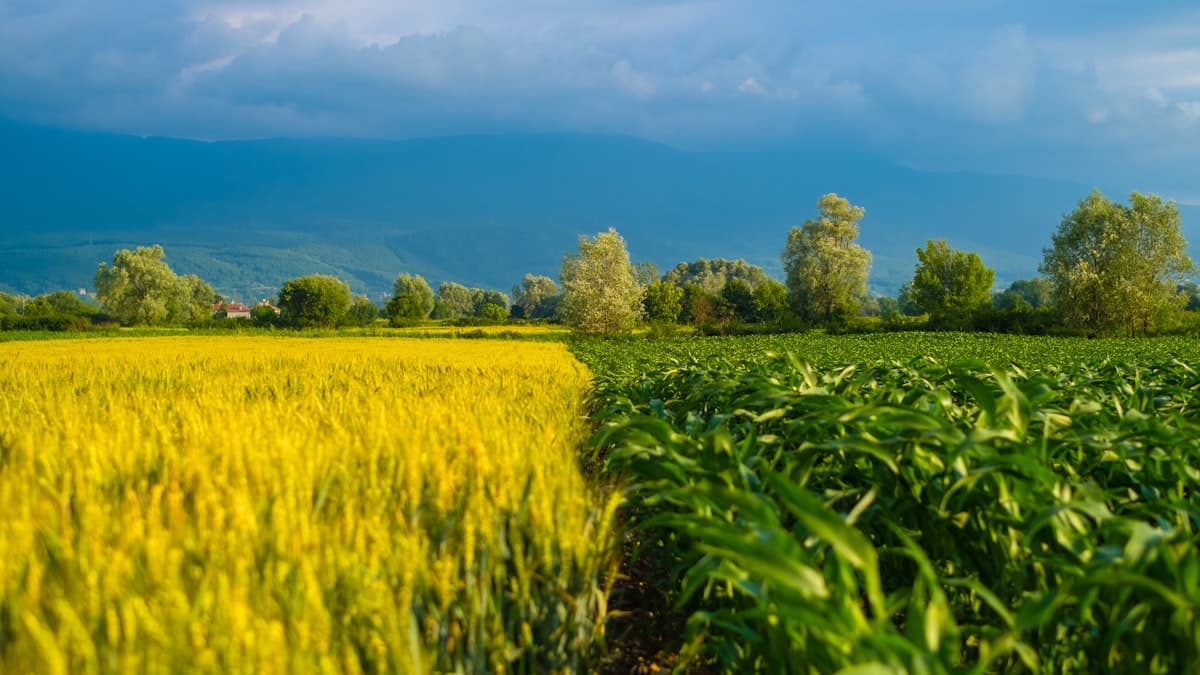
Richardson International returns to Canola Council of Canada membership after 8 years. What this means for Canadian canola growers and industry.
Richardson International returns to Canola Council membership
Richardson International is back in the Canola Council of Canada after staying away for eight years. The grain giant, which owns Richardson Pioneer, formally rejoined the national canola industry group at its March 12 annual meeting.
This matters because Richardson is one of Canada's biggest canola buyers, processors, and exporters. When a company this size pulls out of the industry's main advocacy group, it weakens the collective voice that fights for Canadian canola growers. Now that they're back, the Council has more clout and more resources to push for better policies and market access.
The timing isn't accidental. Canola faces growing challenges from trade disputes, environmental regulations, and competition from other oilseeds. Having Richardson's financial backing and industry expertise back in the fold gives Canadian canola growers a stronger united front.
What this means for your operation
With Richardson back at the table, expect the Canola Council to have more muscle behind its research and advocacy work. This could mean better funding for agronomic research that helps you grow better crops, and stronger lobbying power when governments consider regulations that affect your farm.
Richardson's return also signals confidence in canola's long-term prospects. When a major player that walked away eight years ago decides to rejoin, it suggests they see value in being part of the industry's collective efforts. This could translate to more stable demand and better infrastructure investment in canola handling and processing.
For growers, this reunion means the industry is more likely to speak with one voice on issues like pesticide registrations, trade access, and sustainability standards. That unified approach has historically delivered better results for farmers than fragmented lobbying efforts.
Key numbers
• Richardson International rejoined the Canola Council on March 12, 2026 after an 8-year absence
• The company is one of Canada's largest canola purchasers, processors, and exporters
• Richardson Pioneer operates grain elevators across Western Canada
• The Canola Council represents an industry worth billions annually to Canadian agriculture
• Canola is grown on approximately 22 million acres across the Prairie provinces
What to watch next
Keep an eye on the Canola Council's upcoming initiatives now that Richardson is back contributing membership dues and expertise. The organization's annual report, typically released in late spring, should show increased resources and potentially expanded research programs. Watch for announcements about new market development efforts or enhanced advocacy campaigns, especially around sustainability messaging and international trade issues.
FAQ
Q: Why did Richardson International leave the Canola Council originally?
A: The specific reasons for Richardson's 2018 departure weren't detailed in the announcement. Companies sometimes withdraw from industry groups due to disagreements over priorities, costs, or strategic direction.
Q: Will Richardson rejoining the Canola Council affect canola prices?
A: Direct price impacts are unlikely in the short term. However, a stronger, better-funded industry organization could improve long-term market development and advocacy efforts that support stable demand and pricing.
Get HarvestWire daily
Canadian ag news before you hit the field.
More in Crops
View all → Crops
CropsPrairie Canola Planning: Target Stands & Flea Beetle Prep
Canadian canola growers can use delayed spring conditions to fine-tune seeding plans, target plant stands, and prepare flea beetle management strategies.
 Crops
CropsEarly Weed Pressure Cuts Canadian Crop Yields Before Emergence
New research shows weeds affect Canadian crop yields before plants emerge. Learn how early weed control can protect your farm's bottom line.
 Crops
CropsOntario Spring Seeding: Frost Timing & Winter Crop Risks
Ontario farmers face frost seeding decisions and winter injury concerns as wild weather swings create both risks and opportunities for 2026 planting.