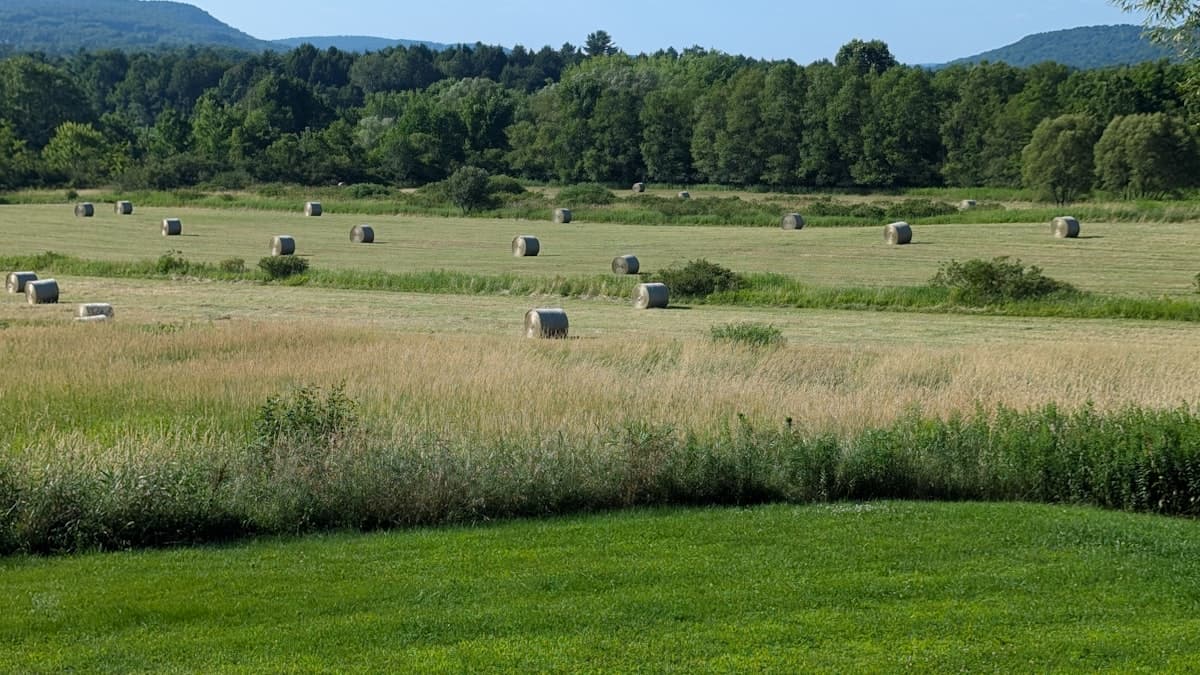
Canada's forage crops rank third in agricultural value at $5 billion annually. Here's why this undervalued sector matters for your farm operation.
Canada's forage sector punches above its weight
Forage production quietly generates $5 billion in annual farm gate value across Canada, making it the country's third most valuable crop after wheat and canola. Yet this massive sector gets far less attention than it deserves from policymakers, researchers, and even farmers themselves.
The numbers tell a compelling story about an industry that feeds the foundation of Canada's livestock sector. From alfalfa fields in Ontario to timothy hay in the Prairies, forage crops cover millions of acres and support thousands of farming operations. Despite this economic clout, forage often gets treated as the forgotten stepchild of Canadian agriculture.
What this means for your operation
If you're growing forage or considering it, this lack of attention translates into both challenges and opportunities. Research funding for forage varieties, pest management, and production techniques lags behind what's available for major grain crops. That means fewer new tools and technologies specifically designed for your needs.
However, the steady demand from Canada's livestock sector provides a more stable market than many annual crops. Beef cattle, dairy cows, and other livestock operations depend on quality forage, creating consistent local demand that isn't subject to the same export volatility as grains. For mixed operations, forage also offers crop rotation benefits and soil health improvements that add value beyond the direct economic return.
The infrastructure for processing, storing, and marketing forage remains underdeveloped in many regions compared to grain handling systems. This creates opportunities for entrepreneurs willing to invest in hay processing equipment, storage facilities, or regional marketing networks.
Key numbers
• Forage crops generate $5 billion annually in farm gate value across Canada
• Ranks as Canada's third most important crop by economic value
• Trails only wheat and canola in total agricultural contribution
• Covers millions of acres of Canadian farmland
• Supports both domestic livestock feed and export markets
What to watch next
The growing recognition of forage's economic importance may finally translate into increased research funding and policy attention. Watch for announcements from Agriculture and Agri-Food Canada about new forage research initiatives or breeding programs. Provincial governments are also starting to include forage more prominently in their agricultural strategies.
Climate change adaptation will likely drive more focus on drought-tolerant forage varieties and sustainable production practices. The next federal agricultural policy framework, expected in 2028, may include specific programs recognizing forage's environmental benefits alongside its economic value.
FAQ
Q: Why doesn't forage get more government support despite its $5 billion value?
A: Forage producers are often smaller operations with less lobbying power than grain farmers. The sector also lacks the unified marketing boards that help promote other major crops.
Q: Is forage production profitable compared to cash crops like canola?
A: Profitability depends on local markets and production costs, but forage offers more stable prices with less volatility. Many farmers use it successfully in rotation with annual crops for both economic and agronomic benefits.
Get HarvestWire daily
Canadian ag news before you hit the field.
More in Crops
View all → Crops
CropsPrairie Canola Planning: Target Stands & Flea Beetle Prep
Canadian canola growers can use delayed spring conditions to fine-tune seeding plans, target plant stands, and prepare flea beetle management strategies.
 Crops
CropsRichardson Rejoins Canola Council After 8-Year Break
Richardson International returns to Canola Council of Canada membership after 8 years. What this means for Canadian canola growers and industry.
 Crops
CropsEarly Weed Pressure Cuts Canadian Crop Yields Before Emergence
New research shows weeds affect Canadian crop yields before plants emerge. Learn how early weed control can protect your farm's bottom line.