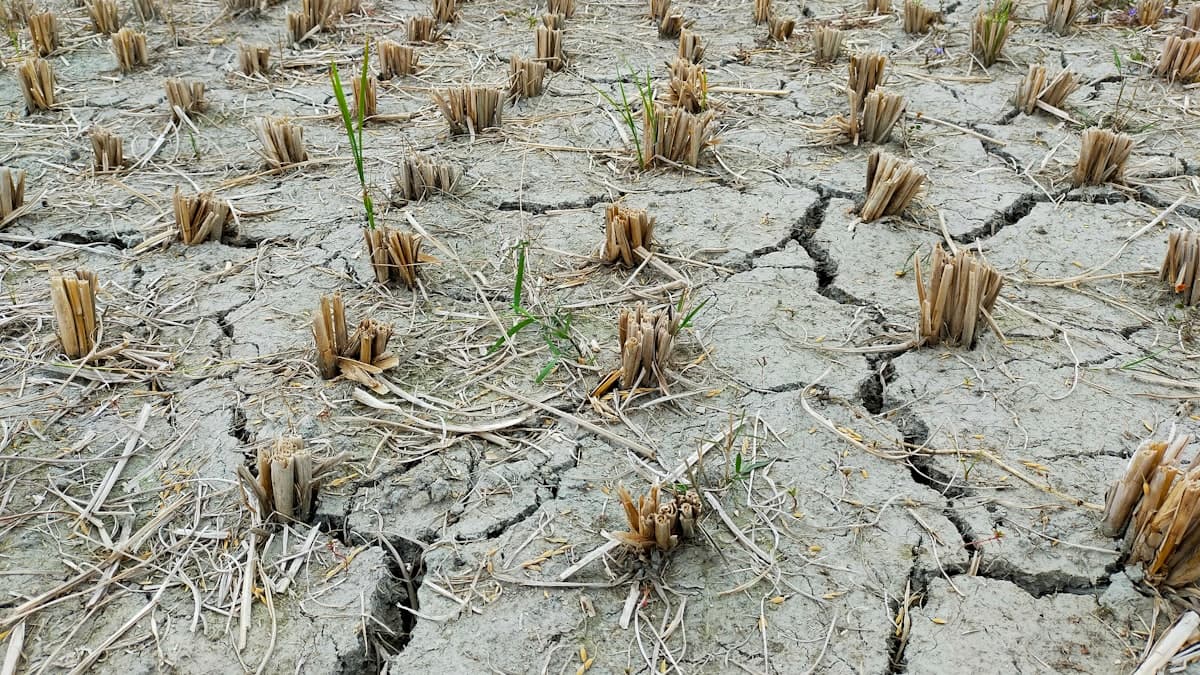
Long-term weather trends show major changes coming for wheat production in Western Canada and Northern Plains. What farmers need to know now.
Climate patterns reshaping wheat production in Western Canada
Long-term weather data reveals significant shifts that could reshape wheat production across the Prairie provinces and Northern Plains over the coming decades. As corn production expands northward into traditional wheat territory, Canadian farmers need to understand what these climate trends mean for their planting decisions and long-term farm planning.
Jochum Wiersma, a small grains specialist with the University of Minnesota, has been analyzing decades of historical weather and crop data to identify patterns that affect wheat growing regions. His research points to measurable changes in temperature, precipitation timing, and growing season length that are already influencing where different crops perform best.
The implications extend well beyond simple temperature increases. Shifts in when moisture arrives, how long growing seasons last, and the frequency of extreme weather events all factor into whether wheat remains the most profitable option for farms across Saskatchewan, Alberta, and Manitoba.
What this means for your operation
Farmers in traditional wheat-growing areas should start evaluating whether their current crop mix matches the changing climate reality. The data suggests some regions may see improved conditions for wheat production, while others might need to consider alternative crops or varieties better suited to new weather patterns.
This doesn't mean abandoning wheat overnight, but rather taking a longer view when making equipment purchases, storage investments, or land acquisition decisions. Farms that adapt their crop rotation and variety selection based on these trends will likely maintain better profitability than those that stick rigidly to historical patterns.
The research also highlights the importance of soil health and water management practices. As weather becomes more variable, farms with better moisture retention and soil structure will have significant advantages during both dry spells and excessive moisture periods.
Key numbers
• Growing season length has increased by 10-14 days across much of the Canadian Prairies over the past 30 years
• Spring wheat yields show 15-20% more variability year-over-year compared to historical averages
• Corn production has expanded 200 miles north of its traditional range in some areas
• Average temperatures during critical wheat development stages have risen 1.5-2°C in many Prairie regions
• Precipitation patterns now show 25% more variation in timing compared to 1990s averages
What to watch next
Farmers should monitor updated climate projections from Agriculture and Agri-Food Canada, which typically release regional assessments each fall. The department is expected to publish new crop suitability maps later this year based on the latest climate models. These will provide more specific guidance on which varieties and crops are likely to perform best in different regions over the next 10-20 years.
Keep an eye on how seed companies adjust their variety development and marketing focus, as this often signals where the industry sees the most promising opportunities given changing growing conditions.
FAQ
Q: Should I stop growing wheat if climate change is affecting my area?
A: Not necessarily – focus on adapting varieties and management practices rather than abandoning wheat entirely. Work with your agronomist to identify wheat varieties better suited to your changing local conditions.
Q: How quickly do I need to make changes based on these climate trends?
A: Start planning now but make gradual adjustments over 3-5 years rather than dramatic overnight changes. Test new varieties on smaller acreages first to see how they perform on your specific farm.
Get HarvestWire daily
Canadian ag news before you hit the field.