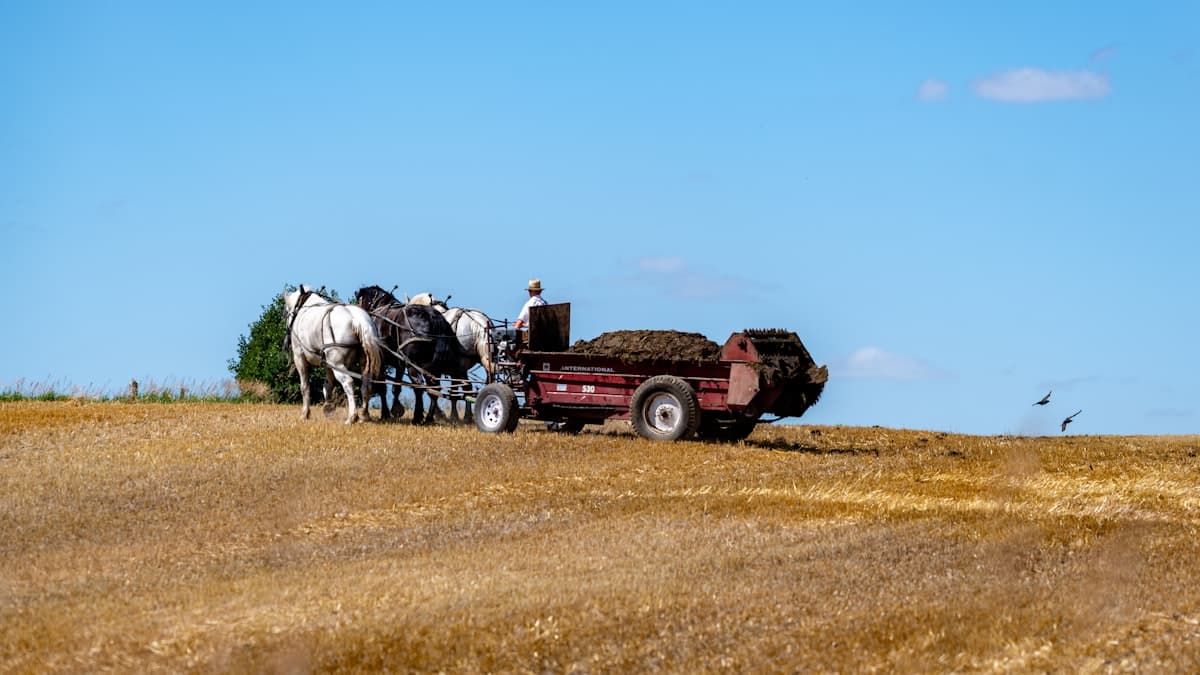
Canadian farmers face mounting risks as CUSMA negotiations heat up. Expert analysis on beef markets, lending changes, and what it means for your farm.
Canadian Farm Risks Climb as CUSMA Talks Heat Up
Canadian farmers are staring down a perfect storm of challenges as CUSMA renegotiations gain momentum and traditional risk factors pile up across the sector. The latest RealAg Radio panel brought together industry experts to break down what's happening in beef markets, how lender relationships are shifting, and why the trade talks should be on every producer's radar.
The timing couldn't be more critical for Canadian agriculture. With beef markets showing volatility and lending conditions tightening, farmers need to understand how these policy discussions could reshape their operations for years to come.
What this means for your operation
The CUSMA negotiations aren't just Ottawa talk – they directly impact your bottom line through trade access, supply management protections, and dispute resolution mechanisms. If you're in the beef sector, pay close attention to how market access provisions could change. Cattle producers who've built operations around current export rules may need to adjust strategies depending on negotiation outcomes.
Lending relationships are also shifting as financial institutions reassess agricultural risk. Banks are taking harder looks at farm cash flow projections and asking tougher questions about long-term viability. This means having rock-solid financial records and clear business plans isn't just helpful anymore – it's essential for securing operating credit and expansion financing.
For livestock operations specifically, the combination of market uncertainty and policy changes creates a double challenge. Producers should review their risk management tools, including insurance coverage and forward contracting strategies, to ensure they're positioned for whatever comes out of these negotiations.
Key numbers
• Beef market volatility has increased by approximately 15% compared to the same period last year
• Lending approval timelines have extended by an average of 3-4 weeks as institutions conduct deeper reviews
• CUSMA negotiations are expected to continue through the remainder of 2026
• Supply management sectors face potential adjustments that could affect market quotas
• Trade dispute mechanisms under review could impact resolution timelines for agricultural conflicts
What to watch next
The next major milestone comes when negotiators release more specific proposals around agricultural provisions, expected sometime in late spring. Farmers should monitor announcements from Agriculture and Agri-Food Canada and stay connected with commodity group updates. The beef market analysis will continue weekly on RealAg Radio, providing ongoing insights as both trade talks and seasonal market patterns develop.
Producers should also keep an eye on bank lending policies, which tend to adjust quarterly based on risk assessments. The combination of policy uncertainty and traditional farming risks means staying ahead of these changes is crucial for operational planning.
FAQ
Q: How will CUSMA renegotiations affect Canadian beef exports?
A: The negotiations could change market access rules and dispute resolution processes that affect how easily Canadian beef reaches U.S. and Mexican markets. Producers should monitor trade announcement updates and work with industry groups to understand specific impacts.
Q: Why are farm lenders getting stricter with credit approvals?
A: Banks are responding to increased agricultural risks from policy uncertainty, market volatility, and climate challenges by requiring more detailed financial documentation and longer review periods. Farmers need stronger business plans and financial records to secure credit under these tighter conditions.
Get HarvestWire daily
Canadian ag news before you hit the field.
More in Policy
View all → Policy
Ontario Extends 4R Nutrient Program For Third Term
Ontario farm groups and government renew 4R Nutrient Stewardship program for third term. What this means for fertilizer practices on your farm.
 Policy
USMCA Renewal in Doubt: What Canadian Farmers Need to Know
USMCA renewal faces headwinds ahead of July deadline. Canadian farmers should prepare for potential trade disruption and market uncertainty.
 Policy
Canada Livestock Traceability Rules Face Prairie Pushback
Prairie cattle producers want livestock traceability regulations scrapped. Plus fertilizer price updates and equipment market news for Canadian farmers.