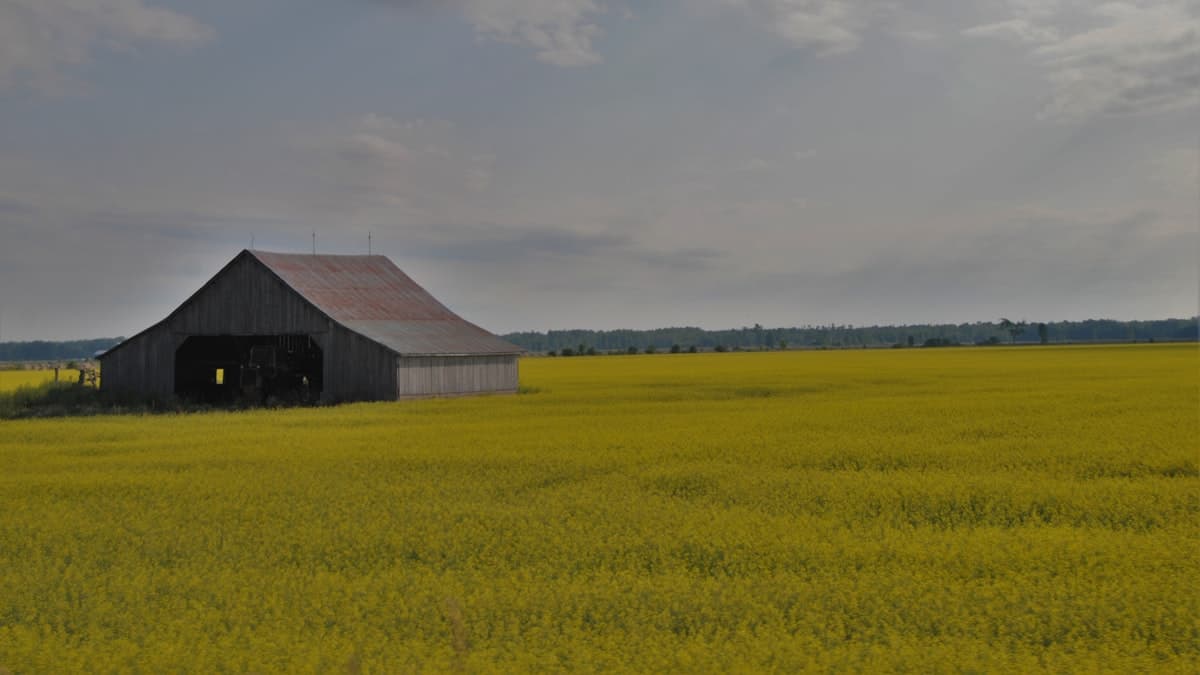
USMCA renewal faces headwinds ahead of July deadline. Canadian farmers should prepare for potential trade disruption and market uncertainty.
USMCA Trade Deal Hits Roadblocks Before July Deadline
The trade agreement that governs billions in agricultural exports between Canada, the U.S., and Mexico is running into serious trouble just months before its July renewal deadline. U.S. Ambassador to Canada Pete Hoekstra told the Canadian Crops Convention this week that the Canada-United States-Mexico Agreement (CUSMA) faces stronger headwinds than expected.
This isn't just political posturing - it's a direct threat to the stability that Canadian farmers have counted on since the deal replaced NAFTA in 2020. The agreement covers everything from grain shipments to livestock exports, representing the backbone of Canada's agricultural trade relationship with our largest trading partners.
For Canadian producers who've built their business plans around predictable access to U.S. and Mexican markets, this uncertainty couldn't come at a worse time. Seeding decisions for 2026 are already underway, and many operations depend on export markets to make their numbers work.
What this means for your operation
If USMCA renewal fails or gets delayed past the July deadline, Canadian farmers could face immediate disruption to established trade flows. Grain shipments, livestock exports, and processed agricultural products could all hit new tariff barriers or regulatory delays at the border.
The most vulnerable sectors are likely canola, wheat, and beef - all heavily dependent on U.S. market access. Canola producers, in particular, should be watching closely since the U.S. is Canada's second-largest market for canola oil and meal after China.
Smart operators are already stress-testing their marketing plans for different scenarios. This means identifying alternative buyers, understanding what products might face the biggest disruptions, and potentially locking in more sales before July if possible. Don't wait until the last minute to have these conversations with your grain company or livestock buyer.
Key numbers
• Canada exports approximately $35 billion in agricultural products annually, with 60% going to USMCA partners
• The U.S. alone accounts for $25 billion in Canadian agricultural exports each year
• Over 2.3 million tonnes of Canadian wheat typically crosses into the U.S. annually under current trade terms
• Beef exports to the U.S. and Mexico represent nearly 40% of Canada's total beef export volume
• The original NAFTA took 14 months to renegotiate into USMCA, showing how long replacements can take
What to watch next
The next few months will be critical for determining whether negotiators can bridge their differences before the July deadline. Watch for announcements from Agriculture Minister Lawrence MacAulay's office and statements from major farm organizations like the Canadian Federation of Agriculture.
Key pressure points include ongoing softwood lumber disputes, energy trade provisions, and agricultural inspection procedures at border crossings. If talks stall completely, expect commodity markets to get increasingly volatile as July approaches.
FAQ
Q: What happens if USMCA isn't renewed by July?
A: The agreement doesn't automatically expire, but it becomes much less stable and could face termination with six months notice. This creates significant uncertainty for long-term contracts and investment decisions.
Q: Should I change my 2026 crop mix because of USMCA uncertainty?
A: Don't make drastic changes based on uncertainty alone, but do have backup marketing plans ready. Focus on crops with strong domestic demand or diverse export markets if you're risk-averse.
Get HarvestWire daily
Canadian ag news before you hit the field.
More in Policy
View all → Policy
Ontario Extends 4R Nutrient Program For Third Term
Ontario farm groups and government renew 4R Nutrient Stewardship program for third term. What this means for fertilizer practices on your farm.
 Policy
Farm Risk Rising: What CUSMA Talks Mean for Canada Ops
Canadian farmers face mounting risks as CUSMA negotiations heat up. Expert analysis on beef markets, lending changes, and what it means for your farm.
 Policy
Canada Livestock Traceability Rules Face Prairie Pushback
Prairie cattle producers want livestock traceability regulations scrapped. Plus fertilizer price updates and equipment market news for Canadian farmers.