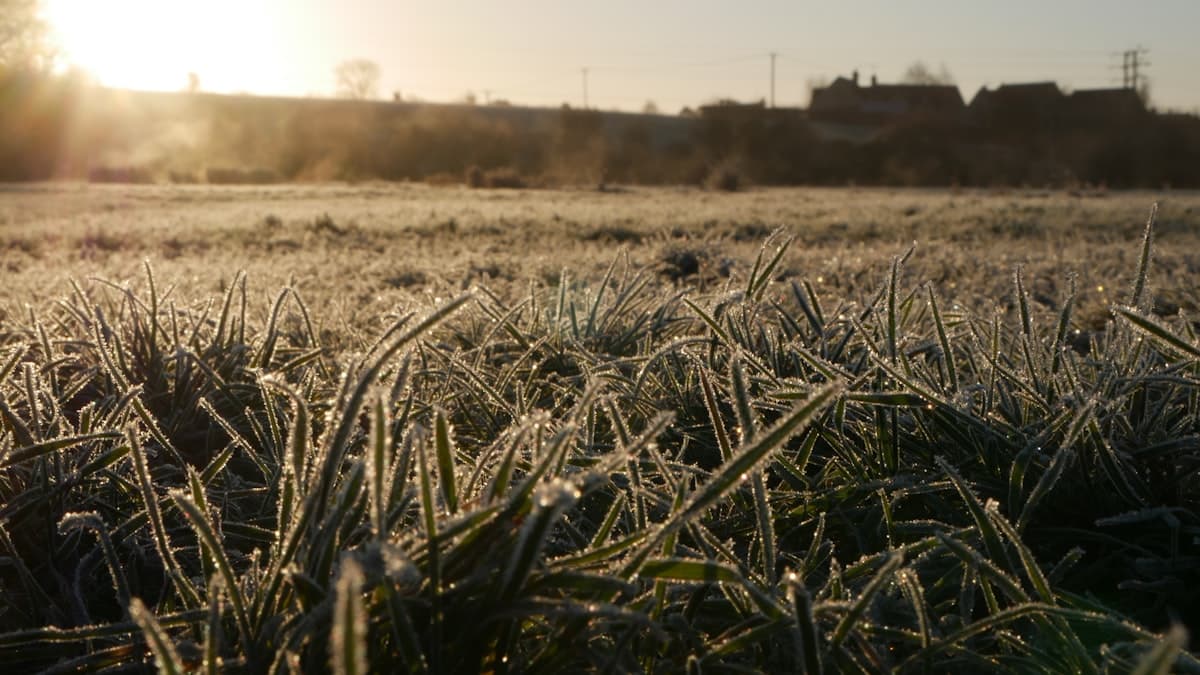
Ontario farmers face frost seeding decisions and winter injury concerns as wild weather swings create both risks and opportunities for 2026 planting.
Ontario farmers navigate frost seeding decisions amid weather swings
Ontario's rollercoaster weather patterns are forcing farmers into tough decisions about frost seeding oats and early sulphur applications as the 2026 growing season approaches. Agricultural consultant Peter "Wheat Pete" Johnson warns that the province's wild temperature swings create both opportunities for early field work and serious risks for winter crops already in the ground.
The timing couldn't be more critical for Ontario producers. While some fields may be ready for frost seeding oats - a practice that relies on freeze-thaw cycles to work seed into the soil - others are showing concerning signs of winter injury that could reshape planting plans entirely.
What this means for your operation
If you're considering frost seeding oats, pay close attention to soil conditions and upcoming weather forecasts. The process works best when you have alternating freeze-thaw cycles that create natural seed-to-soil contact, but timing it wrong means poor germination and wasted seed costs.
For sulphur applications, early timing might seem tempting with field access improving, but soil temperature and moisture conditions need to align properly for the nutrient to be available when crops need it most. Applying too early on frozen or waterlogged soils often results in losses through leaching or volatilization.
Winter injury assessment should be your immediate priority if you have fall-seeded crops. Walk your wheat, fall rye, and winter canola fields now to evaluate stand health. Spotty emergence patterns or yellowing plants could indicate root damage that might require replanting decisions within the next few weeks.
Key numbers
• Frost seeding success rates drop below 60% when soil conditions aren't optimal for seed-to-soil contact
• Sulphur applications made on frozen soils can lose 30-40% of their effectiveness through spring runoff
• Winter wheat stands with less than 70% survival typically need replanting or switching to spring crops
• Early oat seeding can advance harvest timing by 7-10 days compared to conventional spring planting
• Fertilizer handling incidents increase 25% during rapid weather transition periods due to equipment and storage challenges
What to watch next
Keep monitoring soil temperatures and 7-day weather forecasts before making any irreversible seeding or fertilizer decisions. Johnson expects clearer guidance on winter crop survival rates to emerge within the next two weeks as Ontario moves through more consistent spring conditions. Field assessments completed now will determine whether your 2026 crop plan stays on track or needs major adjustments.
FAQ
Q: When is it too late to frost seed oats in Ontario?
A: Frost seeding oats typically needs to happen before consistent daytime temperatures reach 10°C or higher. After that point, you'll need to switch to conventional seeding methods once soil conditions allow.
Q: How do I know if my winter wheat suffered enough damage to require replanting?
A: Count surviving plants in multiple locations across each field - if you have fewer than 15 plants per square foot with healthy root systems, consider replanting with spring wheat or other crops.
Get HarvestWire daily
Canadian ag news before you hit the field.
More in Crops
View all → Crops
CropsPrairie Canola Planning: Target Stands & Flea Beetle Prep
Canadian canola growers can use delayed spring conditions to fine-tune seeding plans, target plant stands, and prepare flea beetle management strategies.
 Crops
CropsRichardson Rejoins Canola Council After 8-Year Break
Richardson International returns to Canola Council of Canada membership after 8 years. What this means for Canadian canola growers and industry.
 Crops
CropsEarly Weed Pressure Cuts Canadian Crop Yields Before Emergence
New research shows weeds affect Canadian crop yields before plants emerge. Learn how early weed control can protect your farm's bottom line.