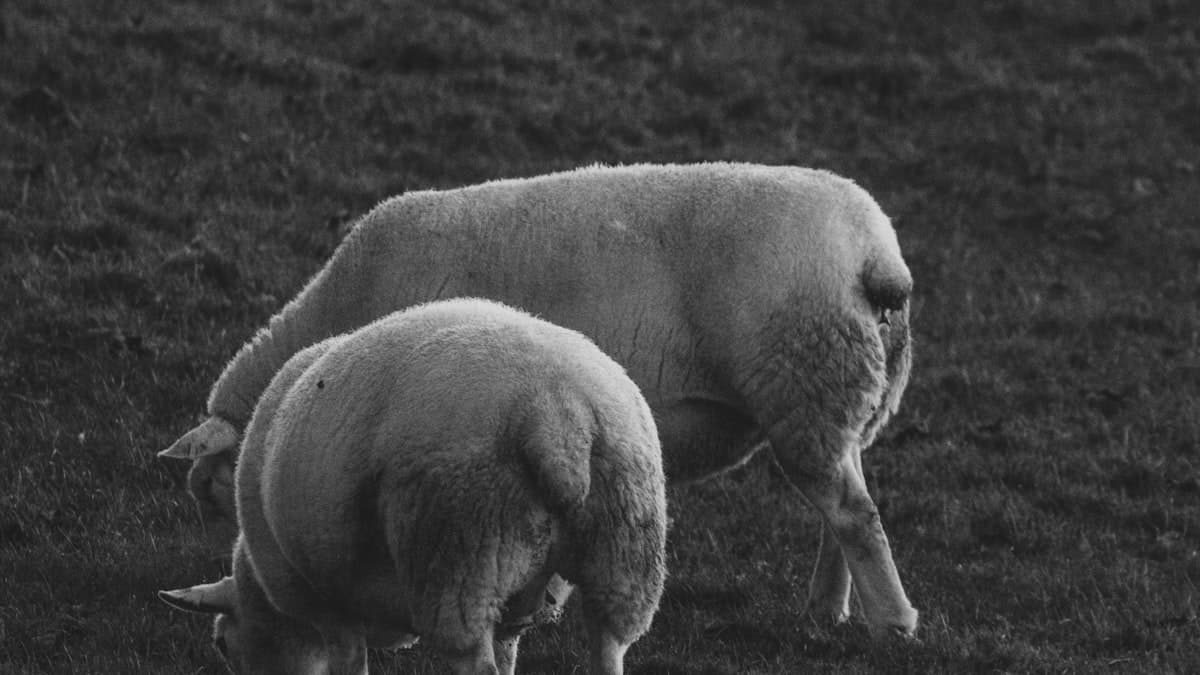
Manitoba sheep farmers can now turn waste wool into profitable pellets for sustainable soil amendment and fertilizer markets in horticulture.
Wool pellets offer new revenue for Manitoba sheep producers
Manitoba sheep farmers now have a chance to turn their wool waste into profit through a new pellet processing opportunity. Instead of paying disposal costs for low-grade wool that can't be sold to textile markets, producers can now convert this material into organic soil amendments and fertilizers for the growing horticulture sector.
This development comes at a crucial time for Canadian sheep operations, where traditional wool markets have struggled with competition from synthetic materials and overseas production. The pellet processing creates a domestic market that values wool for its natural properties as a slow-release nitrogen source and soil conditioner, rather than its fiber quality.
What this means for your operation
If you're running sheep in Manitoba, this could change how you handle your wool clip. Previously, much of your coarser wool or wool damaged by weather and handling had little to no market value. Now that same material could generate revenue as raw material for pellet production.
The timing works well with growing demand for organic and sustainable growing media in Canada's expanding greenhouse and nursery sectors. These operations need alternatives to peat moss and synthetic fertilizers, and wool pellets provide both moisture retention and nutrient release that appeals to environmentally conscious growers.
Start by connecting with local wool buyers or processing facilities to understand pricing and quality requirements for pellet-grade wool. You'll want to separate your clip into textile-grade and pellet-grade materials to maximize returns from both markets.
Key numbers
• Wool pellets can hold up to 20 times their weight in water, making them valuable for moisture retention in growing media
• Pellets typically contain 10-12% nitrogen content, providing slow-release fertilization over 6-12 months
• Manitoba has approximately 25,000 sheep, producing roughly 125,000 pounds of wool annually
• Canadian greenhouse vegetable production exceeded $1.5 billion in farm gate value in 2023
• Organic growing media markets are expanding at 8-10% annually across North America
What to watch next
Keep an eye on processing facility development and pricing structures as this market establishes itself. The success of wool pellet ventures in other provinces could indicate expansion opportunities for Manitoba producers. Contact Manitoba Sheep Association for updates on processing partnerships and market development initiatives expected through 2024.
FAQ
Q: What type of wool works best for pellet production?
A: Coarse, short, or weather-damaged wool that's unsuitable for textiles actually works well for pellets. Even wool with some vegetable matter contamination can often be processed into pellets.
Q: How much can I expect to earn from wool pellets versus traditional wool sales?
A: Pellet-grade wool typically brings lower prices per pound than premium textile wool, but it creates value from material that previously had no market. Exact pricing varies by processor and wool quality.
Get HarvestWire daily
Canadian ag news before you hit the field.
More in Livestock
View all →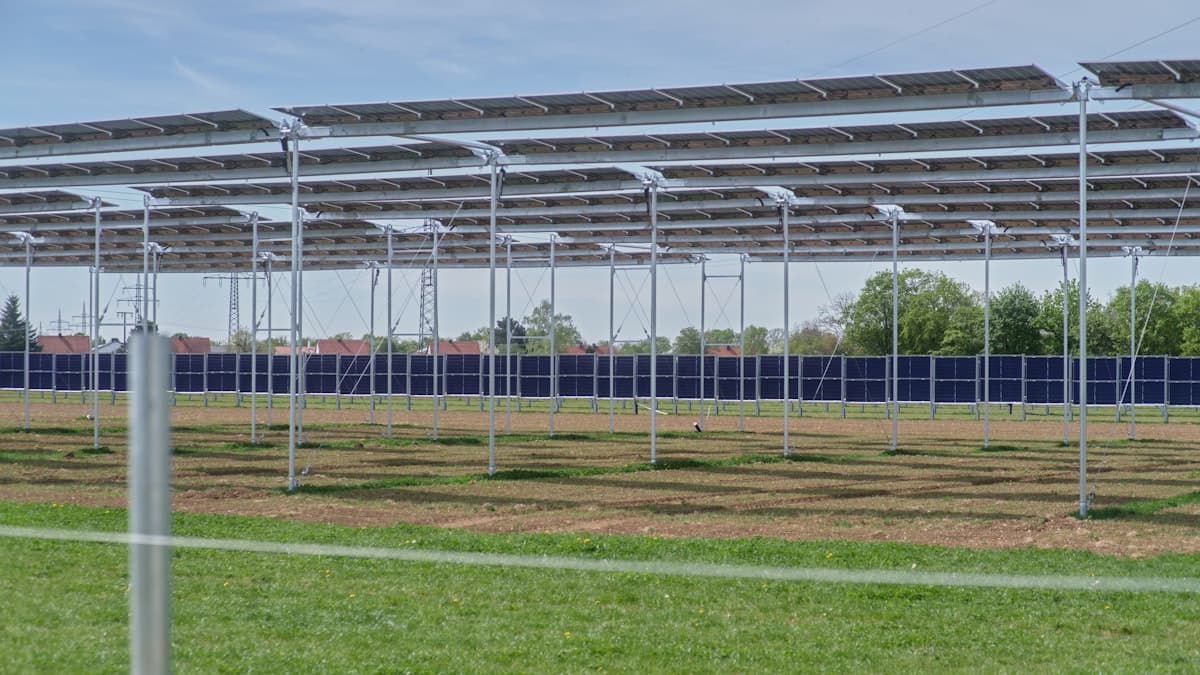 Livestock
Alberta solar farm livestock contracts: new revenue stream
Alberta's Solar Sheep expands livestock management contracts at solar farms, creating new revenue opportunities for Canadian farmers.
 Livestock
Canada's Top Dairy Farms Prioritize Udder Health in 2025
Lactanet's 2025 Best Managed Herds ranking shows top Canadian dairy farms focus on udder health. Learn what this means for your operation.
 Livestock
High-Energy Diets Boost Canadian Calving Success by 25 kg
Canadian cattle producers can increase weaning weights by 25 kg with proper high-energy diets and maintaining BCS 5-6 during calving season.