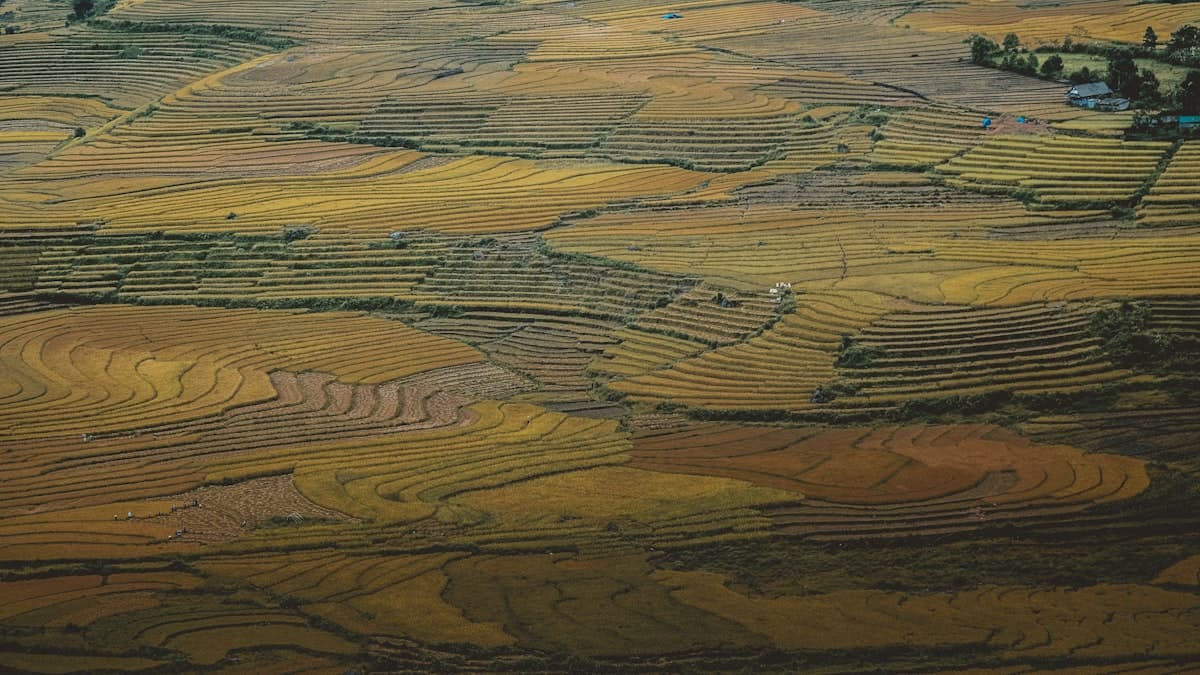
Canadian agriculture being treated as national security could reshape policy and funding. What this shift means for your farm operation.
Canadian agriculture elevated to national security priority
A major shift is happening in how Ottawa views Canadian agriculture and food production. The latest RealAg Radio discussion featuring the Canadian Agri-Food Policy Institute (CAPI) and ConserveX CEO Alison Sunstrum highlighted growing momentum to treat agriculture as a matter of national security rather than just another economic sector.
This isn't just political talk. When agriculture gets the national security label, it unlocks different funding streams, policy priorities, and government attention. For Canadian farmers, this could mean more stable support programs, increased research funding, and stronger protection against supply chain disruptions that have plagued the sector since 2020.
The conversation comes as global food security concerns mount and Canada's role as a reliable food supplier becomes more strategic. Countries worldwide are reassessing their food production capabilities, and Canada's vast agricultural capacity puts us in a unique position.
What this means for your operation
If agriculture gains national security status, expect changes in how government programs are structured and funded. Traditional agricultural subsidies might be reframed as national security investments, potentially making them more stable and less subject to budget cuts during tough economic times. This could provide more predictable support for crop insurance, research funding, and infrastructure development.
You'll likely see increased emphasis on domestic food production capacity and supply chain resilience. This means potential incentives for diversifying crops, investing in storage and processing facilities, and adopting technologies that reduce dependence on imported inputs. Farmers who position themselves as part of Canada's food security infrastructure could access new funding opportunities.
The innovation focus mentioned in the discussion suggests more resources for agricultural technology and sustainable farming practices. Conservation initiatives like those promoted by ConserveX could receive enhanced government backing, creating new revenue streams for farmers willing to adopt environmental stewardship practices.
Key numbers
• Canada produces enough food to feed 73 million people, nearly double our population
• Agricultural exports contributed $82 billion to Canada's economy in 2025
• Food security concerns have increased 340% globally since 2020
• Canada ranks 8th globally in agricultural production capacity
• Domestic food processing capacity utilization sits at just 67%
What to watch next
Keep an eye on the federal budget announcements and agricultural policy statements in the coming months. If this national security approach gains traction, you'll see it reflected in funding allocations and program restructuring. The Canadian Agri-Food Policy Institute will likely release more detailed recommendations on how this shift should be implemented.
Watch for pilot programs that test new approaches to agricultural support framed as national security investments. These could include enhanced support for critical crop production, strategic reserve programs, or incentives for domestic processing capacity expansion.
FAQ
Q: How would national security status change farm support programs?
A: Programs could become more stable and better funded as they'd be viewed as essential infrastructure rather than economic subsidies. This typically means multi-year funding commitments and protection from budget cuts.
Q: What should farmers do to prepare for this policy shift?
A: Focus on practices that enhance food security like crop diversification, soil health, and local food system participation. Document how your operation contributes to Canada's food security to position for new funding opportunities.
Get HarvestWire daily
Canadian ag news before you hit the field.
More in Policy
View all → Policy
Ontario Extends 4R Nutrient Program For Third Term
Ontario farm groups and government renew 4R Nutrient Stewardship program for third term. What this means for fertilizer practices on your farm.
 Policy
Farm Risk Rising: What CUSMA Talks Mean for Canada Ops
Canadian farmers face mounting risks as CUSMA negotiations heat up. Expert analysis on beef markets, lending changes, and what it means for your farm.
 Policy
USMCA Renewal in Doubt: What Canadian Farmers Need to Know
USMCA renewal faces headwinds ahead of July deadline. Canadian farmers should prepare for potential trade disruption and market uncertainty.