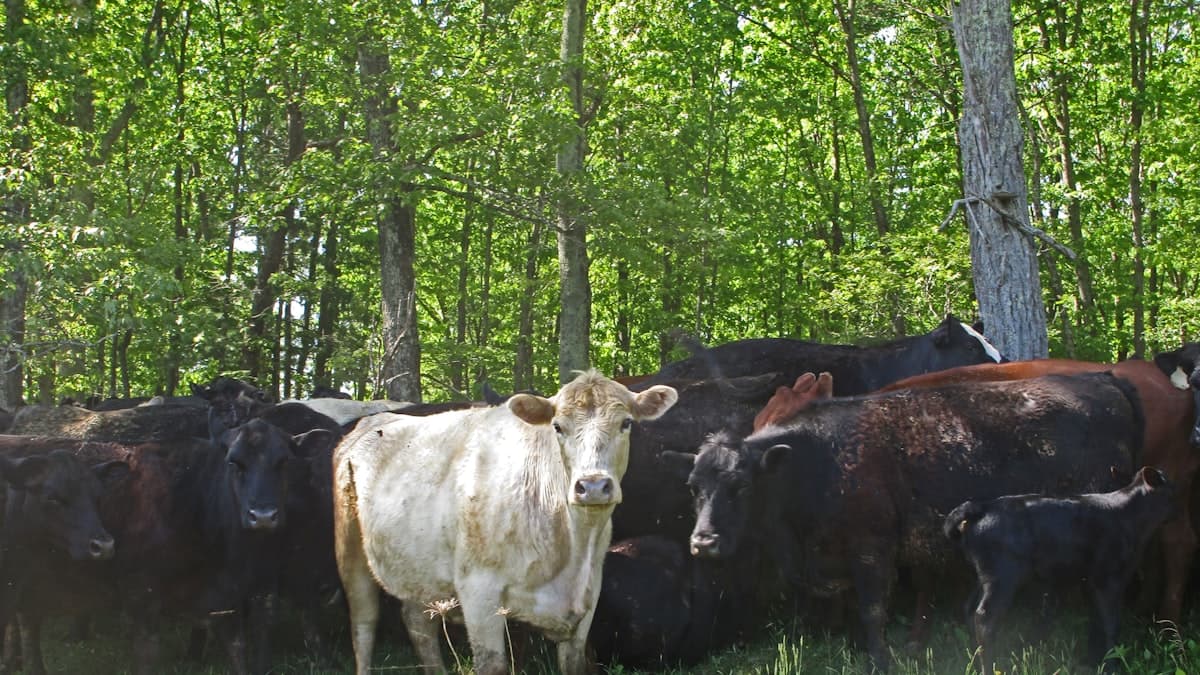
Learn how ionophore feed additives prevent coccidiosis, boost digestive efficiency, and improve calf performance in Canadian feedlot operations.
Ionophore feed additives deliver proven results for Canadian feedlots
Ionophore feed additives are proving their worth as a critical tool for Canadian cattle producers looking to protect young calves and improve feedlot performance. These compounds work by preventing coccidiosis—a parasitic disease that can devastate calf health—while simultaneously boosting digestive efficiency and overall feed conversion rates.
For Canadian feedlot operators dealing with the stress of weaning, transport, and feed transitions, ionophores offer a practical solution to reduce disease pressure and maintain consistent gains. The additives work at the cellular level to control harmful bacteria and parasites in the digestive tract, creating conditions that favor beneficial microorganisms and improve nutrient absorption.
The timing couldn't be better for Canadian producers. With feed costs remaining elevated and margins tight across much of the country, any tool that improves feed efficiency while reducing treatment costs deserves serious consideration in your management program.
What this means for your operation
If you're running a feedlot operation in Canada, ionophores should be part of your disease prevention strategy, especially for incoming calves. These additives work best when started early—ideally as calves arrive at your facility—rather than waiting for problems to develop.
The disease prevention aspect is where most Canadian producers see immediate value. Coccidiosis outbreaks can set back calf performance for weeks, requiring expensive treatments and creating uneven pen performance that complicates marketing decisions. By preventing the disease from taking hold, ionophores help maintain consistent daily gains across your cattle inventory.
Consider ionophores as insurance for your feeding program. The upfront cost in feed additives typically pays for itself through improved feed conversion, reduced veterinary bills, and more predictable performance. Work with your nutritionist and veterinarian to determine which ionophore products make sense for your specific operation and feeding protocols.
Key numbers
• Ionophores can improve feed efficiency by 5-10% in growing cattle
• Coccidiosis typically affects calves between 3 weeks and 6 months of age
• Treatment costs for coccidiosis outbreaks can reach $15-25 per head
• Properly managed ionophore programs show 15-20% reduction in digestive disorders
• Feed conversion improvements of 0.3-0.5 pounds of gain per pound of feed are common
What to watch next
Regulatory oversight of feed additives continues to evolve in Canada, so stay connected with your feed supplier and veterinarian for updates on approved products and usage guidelines. The Canadian Food Inspection Agency periodically reviews ionophore approvals and withdrawal periods, which could affect your feeding protocols.
Expect continued research into ionophore alternatives as the industry explores new approaches to gut health management. However, current ionophore products remain a proven, cost-effective tool for Canadian feedlot operations focused on consistent calf performance.
FAQ
Q: When should I start feeding ionophores to new calves in my feedlot?
A: Start ionophores immediately when calves arrive at your facility, ideally within the first few days. Early intervention prevents coccidiosis from establishing and provides the best protection during the stressful transition period.
Q: Are ionophores safe to feed with other medications my calves might receive?
A: Most ionophores are compatible with common cattle medications, but always consult your veterinarian before combining treatments. Some drug interactions can occur, particularly with certain antibiotics, so professional guidance ensures safe and effective use.
Get HarvestWire daily
Canadian ag news before you hit the field.
More in Livestock
View all → Livestock
Wool pellets create new revenue stream for Manitoba sheep
Manitoba sheep farmers can now turn waste wool into profitable pellets for sustainable soil amendment and fertilizer markets in horticulture.
 Livestock
Alberta solar farm livestock contracts: new revenue stream
Alberta's Solar Sheep expands livestock management contracts at solar farms, creating new revenue opportunities for Canadian farmers.
 Livestock
Canada's Top Dairy Farms Prioritize Udder Health in 2025
Lactanet's 2025 Best Managed Herds ranking shows top Canadian dairy farms focus on udder health. Learn what this means for your operation.