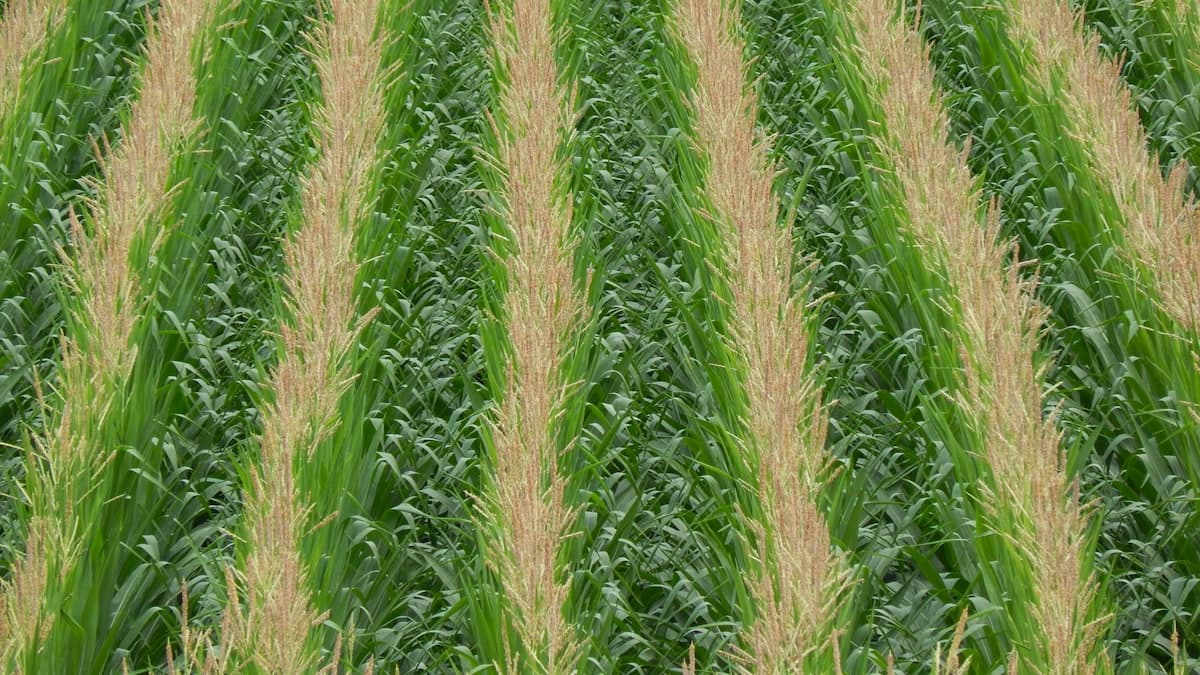
University of Manitoba develops Manitoba-specific corn weed control recommendations to replace reliance on U.S. and Ontario field guidance for local growers.
Manitoba corn growers get tailored weed control research
Manitoba corn producers have been making do with weed control recommendations designed for U.S. Midwest or Ontario conditions. Now University of Manitoba researchers are working to change that, developing herbicide and management strategies specifically for Manitoba's unique growing conditions.
This research matters because what works in Iowa or southwestern Ontario doesn't always translate to Manitoba's shorter growing season, different soil types, and distinct weed pressure. Local conditions affect everything from herbicide timing to which products work best against the weeds that actually show up in Manitoba fields.
The timing couldn't be better. Manitoba's corn acreage has grown steadily over the past decade as varieties adapted to shorter seasons become available and grain corn becomes more profitable relative to other crops.
What this means for your operation
If you grow corn in Manitoba, this research should eventually give you better tools to fight weeds without overspending on herbicides or losing yield to poor timing. Right now, you're likely following recommendations developed for climates with longer, warmer growing seasons.
The research will likely focus on herbicide application timing, rates, and tank mixes that work better in Manitoba's conditions. This could mean different pre-emerge timing, adjusted rates for your soil types, or better post-emerge windows that account for Manitoba's variable spring weather.
Don't expect immediate changes to your 2024 weed control program. University research takes multiple years to generate solid recommendations, but keep an eye on preliminary results that might influence your herbicide decisions in future seasons.
Key numbers
• Manitoba corn acreage has increased significantly over the past decade, making targeted weed control research more valuable
• Current recommendations come from U.S. Midwest or Ontario research, not Manitoba field conditions
• University of Manitoba is leading the research initiative for province-specific recommendations
• Research timeline will likely span multiple growing seasons to account for weather variability
• Economic impact of better weed control could be substantial given corn's value per acre compared to other crops
What to watch next
Look for preliminary research results in farming publications and at winter meetings over the next couple years. The University of Manitoba will likely present early findings at provincial crop production meetings and through Manitoba Corn Growers Association events. Full recommendations will take several seasons of field trials, but interim guidance might become available sooner for specific situations like pre-emerge timing or common Manitoba weeds.
FAQ
Q: When will Manitoba-specific corn weed control recommendations be available?
A: University research typically takes 3-5 years to develop solid recommendations. You might see preliminary guidance in 2-3 years, with comprehensive recommendations following after more field testing.
Q: Should I change my current corn weed control program while waiting for this research?
A: Stick with proven programs that work on your farm until new research provides clear alternatives. Monitor the research results and consider participating in trials if the university seeks cooperating farms.
Get HarvestWire daily
Canadian ag news before you hit the field.
More in Crops
View all → Crops
CropsPrairie Canola Planning: Target Stands & Flea Beetle Prep
Canadian canola growers can use delayed spring conditions to fine-tune seeding plans, target plant stands, and prepare flea beetle management strategies.
 Crops
CropsRichardson Rejoins Canola Council After 8-Year Break
Richardson International returns to Canola Council of Canada membership after 8 years. What this means for Canadian canola growers and industry.
 Crops
CropsEarly Weed Pressure Cuts Canadian Crop Yields Before Emergence
New research shows weeds affect Canadian crop yields before plants emerge. Learn how early weed control can protect your farm's bottom line.