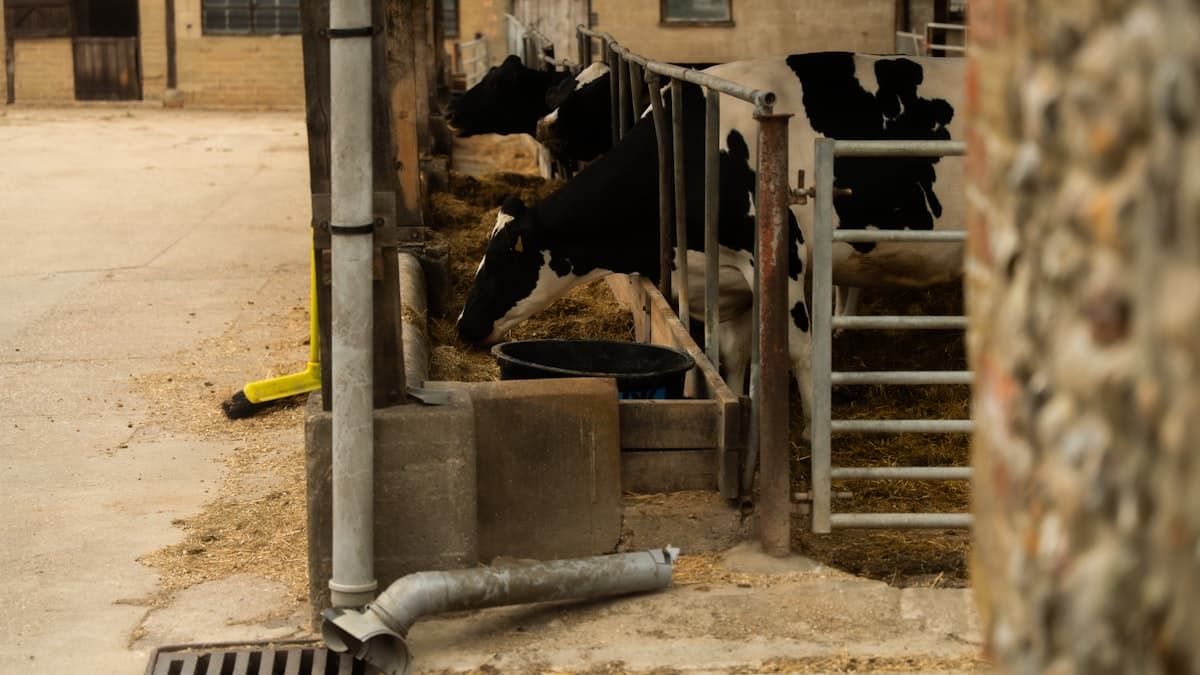
Lactanet data shows Canadian dairy cows produce 3,000kg more milk in third lactation vs first. What this means for your herd management strategy.
Canadian dairy data reveals peak production timing
New research from Lactanet shows Canadian dairy cows hit their production sweet spot much later than many farmers expect. Cows in their third lactation or beyond produce approximately 3,000 kilograms more milk than first-lactation animals, according to data mining from top-management dairies across the country.
This finding challenges the common practice of culling older cows too early. Jeremy Ten Hag, Lactanet's senior product specialist, calls the numbers "extremely significant" - and for good reason. That extra 3,000 kilograms per cow translates to substantial revenue differences that could reshape how Canadian dairy producers think about herd longevity.
The data comes from analyzing high-performing dairy operations, meaning these aren't just average results - they represent what's possible with proper management practices.
What this means for your operation
This research should make you reconsider your culling decisions. Many producers focus heavily on bringing in fresh heifers, but this data suggests keeping productive older cows longer could boost your bottom line significantly.
Before you change course completely, evaluate your current herd management. The dairies in this study represent top-tier operations with excellent nutrition, health protocols, and facilities. If your management isn't at that level, older cows might not deliver the same performance gains.
Consider tracking individual cow performance more closely rather than making blanket decisions based on lactation number. Some cows will peak early and decline, while others will follow this pattern of increasing production. Your records should guide these choices, not just age or lactation count.
Key numbers
• Third-lactation and older cows produce 3,000kg more milk than first-lactation animals
• Data represents top-management dairy operations across Canada
• Production peaks occur in third lactation or later, not in first or second lactations
• Results come from comprehensive Lactanet database analysis
• Study focused on high-performing herds with superior management practices
What to watch next
Lactanet plans to release more detailed breakdowns of this data, including specific lactation curves and management factors that contribute to extended productive life. Watch for additional research on optimal culling strategies and economic analysis of keeping cows longer versus replacement costs.
The organization typically releases comprehensive reports quarterly, so expect more actionable data by summer that could help refine your herd management decisions.
FAQ
Q: Should I stop culling older cows based on this research?
A: Not automatically - this data comes from top-management dairies with excellent care standards. Evaluate each cow individually based on health, production records, and your management capabilities before changing culling decisions.
Q: How much extra revenue does 3,000kg more milk represent?
A: At current Canadian milk prices, 3,000kg additional production equals roughly $2,400-2,700 more revenue per cow annually. This assumes average butterfat and protein levels for the extra milk produced.
Get HarvestWire daily
Canadian ag news before you hit the field.
More in Livestock
View all → Livestock
Wool pellets create new revenue stream for Manitoba sheep
Manitoba sheep farmers can now turn waste wool into profitable pellets for sustainable soil amendment and fertilizer markets in horticulture.
 Livestock
Alberta solar farm livestock contracts: new revenue stream
Alberta's Solar Sheep expands livestock management contracts at solar farms, creating new revenue opportunities for Canadian farmers.
 Livestock
Canada's Top Dairy Farms Prioritize Udder Health in 2025
Lactanet's 2025 Best Managed Herds ranking shows top Canadian dairy farms focus on udder health. Learn what this means for your operation.