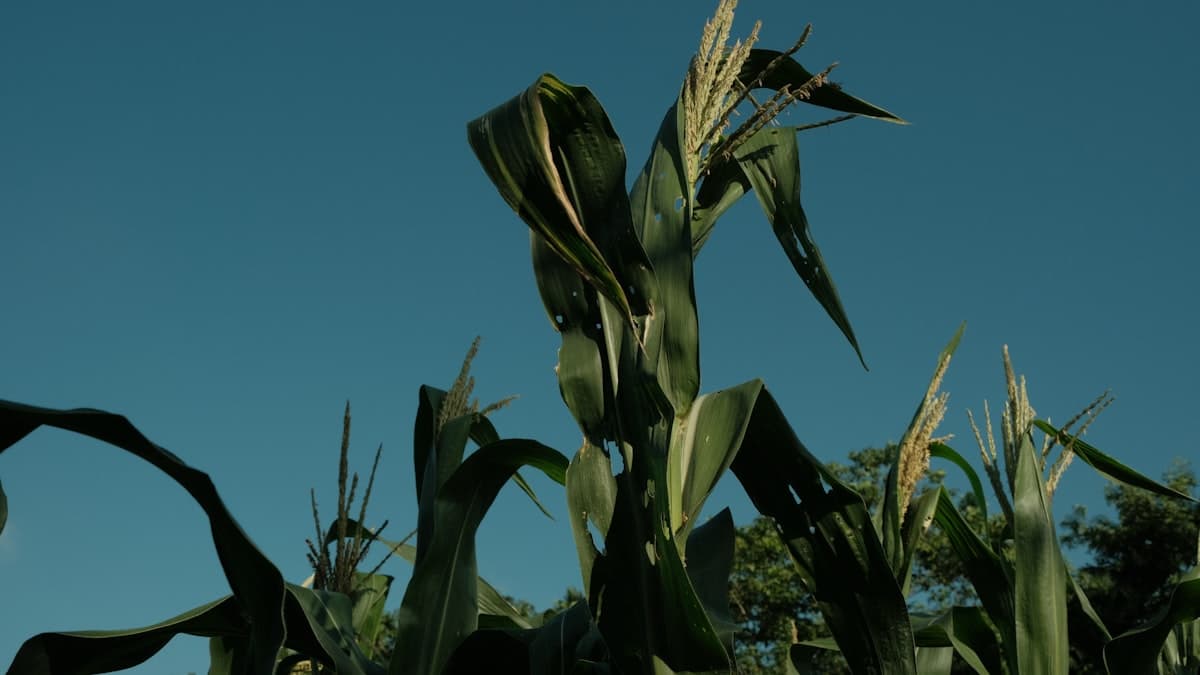
Bt-resistant corn rootworm is spreading in Ontario. Learn what traits to include in your corn seed package and how to protect your operation.
Corn rootworm resistance threatens Ontario operations
Ontario corn growers are facing a growing threat from Bt-resistant corn rootworm, making trait selection more critical than ever for the 2026 growing season. The 2025 season delivered a harsh reminder of what happens when rootworm populations overcome current control methods, with significant damage reported across the province.
Experts are urging farmers to prioritize rootworm control traits when selecting corn seed packages this spring. The push comes as resistant populations continue to spread, potentially leaving growers who rely solely on older Bt traits vulnerable to substantial yield losses and root damage.
What this means for your operation
If you're planning your corn acres for 2026, rootworm trait selection should be front and center in your seed discussions. The insects that survived 2025's control measures are likely carrying resistance genes, meaning the same traits that worked in the past may not provide adequate protection this season.
Your seed dealer conversations need to include specific questions about which rootworm traits are stacked in your varieties. Single-trait packages that worked five years ago may leave you exposed now. Consider multi-trait packages that combine different modes of action, even if they cost more upfront – the insurance value against root pruning and lodging could pay for itself.
Rotation remains your best defense, but it's not foolproof anymore. Rootworm beetles are adapting to crop rotation patterns, particularly in areas with intensive corn production. If you're in a corn-heavy rotation or have fields that have been in continuous corn, trait selection becomes even more crucial.
Key numbers
• 2025 marked the worst rootworm pressure Ontario has seen in recent years
• Bt-resistant populations are now confirmed and spreading across the province
• Multi-trait corn packages typically cost $15-25 more per acre than single traits
• Root pruning from uncontrolled rootworm can reduce yields by 15-20%
• Lodging from damaged root systems can increase harvest losses significantly
What to watch next
Keep an eye on university extension updates and pest monitoring reports as the 2026 season progresses. Early season scouting will be critical to determine if your trait package is holding up against local rootworm populations. Seed companies are also working on new trait combinations, so stay connected with your dealer about what's coming down the pipeline for 2027 and beyond.
FAQ
Q: How do I know if my corn has rootworm-resistant traits?
A: Check your seed tag or ask your dealer specifically about rootworm traits in your variety. Look for multiple Bt proteins stacked together rather than single traits.
Q: Will crop rotation still control rootworm in Ontario?
A: Rotation helps but isn't guaranteed anymore as some populations are adapting. Combine rotation with appropriate traits for the best protection against resistant rootworm.
Get HarvestWire daily
Canadian ag news before you hit the field.
More in Crops
View all → Crops
CropsPrairie Canola Planning: Target Stands & Flea Beetle Prep
Canadian canola growers can use delayed spring conditions to fine-tune seeding plans, target plant stands, and prepare flea beetle management strategies.
 Crops
CropsRichardson Rejoins Canola Council After 8-Year Break
Richardson International returns to Canola Council of Canada membership after 8 years. What this means for Canadian canola growers and industry.
 Crops
CropsEarly Weed Pressure Cuts Canadian Crop Yields Before Emergence
New research shows weeds affect Canadian crop yields before plants emerge. Learn how early weed control can protect your farm's bottom line.