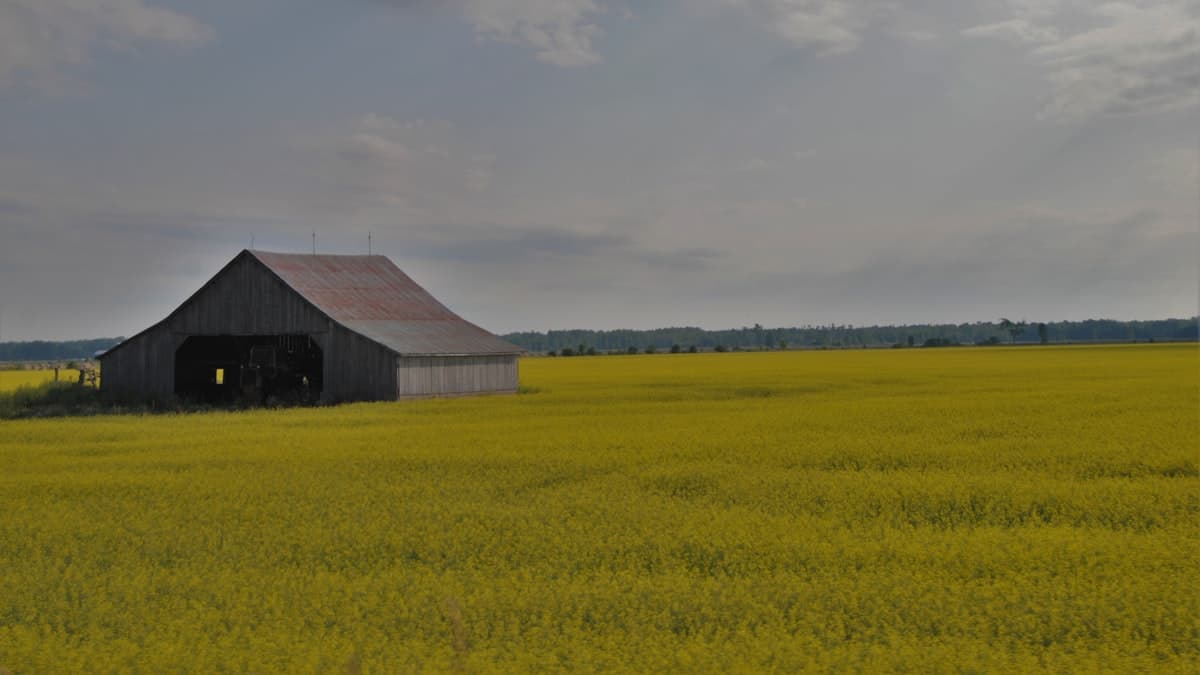
Richardson rejoins Canola Council while US ethanol imports surge into Canada. What this means for Canadian grain farmers and ethanol markets.
Richardson International Returns to Canola Council Amid Ethanol Trade Concerns
Richardson International has rejoined the Canola Council of Canada, marking a significant shift in the grain handling giant's relationship with the industry organization. This move comes as Canadian farmers face mounting pressure from an influx of US ethanol imports that threaten domestic grain processing opportunities.
The timing isn't coincidental. Grain Farmers of Ontario is pushing hard for a domestic feedstock use requirement that would prioritize Canadian-grown crops for ethanol production. With US ethanol flooding across the border, Canadian grain farmers are losing a key market for their corn and other feedstock crops, directly impacting farm gate prices and local processing capacity.
What this means for your operation
If you grow canola, Richardson's return to the Council could mean stronger industry coordination on trade issues and market development. Richardson handles a significant portion of Canada's canola exports, so their voice in Council decisions carries weight when it comes to fighting trade barriers and opening new markets.
For corn and wheat growers, the US ethanol situation is more pressing. Every gallon of American ethanol that comes into Canada is a gallon that could have been produced from your grain. This isn't just about ethanol – it's about keeping value-added processing in Canadian communities where farmers benefit from shorter transportation costs and stronger local economies.
The push for domestic feedstock requirements mirrors what other countries have done to protect their agricultural sectors. If successful, it could guarantee a portion of Canada's ethanol market for Canadian-grown crops, providing price support and demand stability for grain farmers across the country.
Key numbers
• Richardson International is one of Canada's largest grain companies, handling millions of tonnes of canola annually
• US ethanol imports to Canada have increased significantly, displacing domestic production opportunities
• Grain Farmers of Ontario represents over 28,000 corn, soybean and wheat producers
• Canada's ethanol industry supports thousands of rural jobs and processes millions of bushels of grain yearly
• Domestic feedstock requirements could protect a significant portion of the Canadian ethanol market for local farmers
What to watch next
Keep an eye on federal policy discussions around ethanol trade and domestic content requirements. The Grain Farmers of Ontario will likely intensify their lobbying efforts, especially if US imports continue growing. Richardson's renewed involvement with the Canola Council suggests major players are aligning for bigger policy battles ahead, which could affect both canola and grain markets in the coming months.
FAQ
Q: How does US ethanol imports affect Canadian corn prices?
A: When US ethanol floods the Canadian market, it reduces demand for Canadian-grown corn used in domestic ethanol production. This decreased demand puts downward pressure on corn prices and eliminates local processing opportunities for farmers.
Q: What would a domestic feedstock requirement mean for grain farmers?
A: A domestic feedstock requirement would mandate that a certain percentage of ethanol sold in Canada must be produced from Canadian-grown crops. This would guarantee market demand for Canadian corn, wheat, and other grains used in ethanol production, supporting both prices and rural processing jobs.
Get HarvestWire daily
Canadian ag news before you hit the field.
More in Policy
View all → Policy
Ontario Extends 4R Nutrient Program For Third Term
Ontario farm groups and government renew 4R Nutrient Stewardship program for third term. What this means for fertilizer practices on your farm.
 Policy
Farm Risk Rising: What CUSMA Talks Mean for Canada Ops
Canadian farmers face mounting risks as CUSMA negotiations heat up. Expert analysis on beef markets, lending changes, and what it means for your farm.
 Policy
USMCA Renewal in Doubt: What Canadian Farmers Need to Know
USMCA renewal faces headwinds ahead of July deadline. Canadian farmers should prepare for potential trade disruption and market uncertainty.